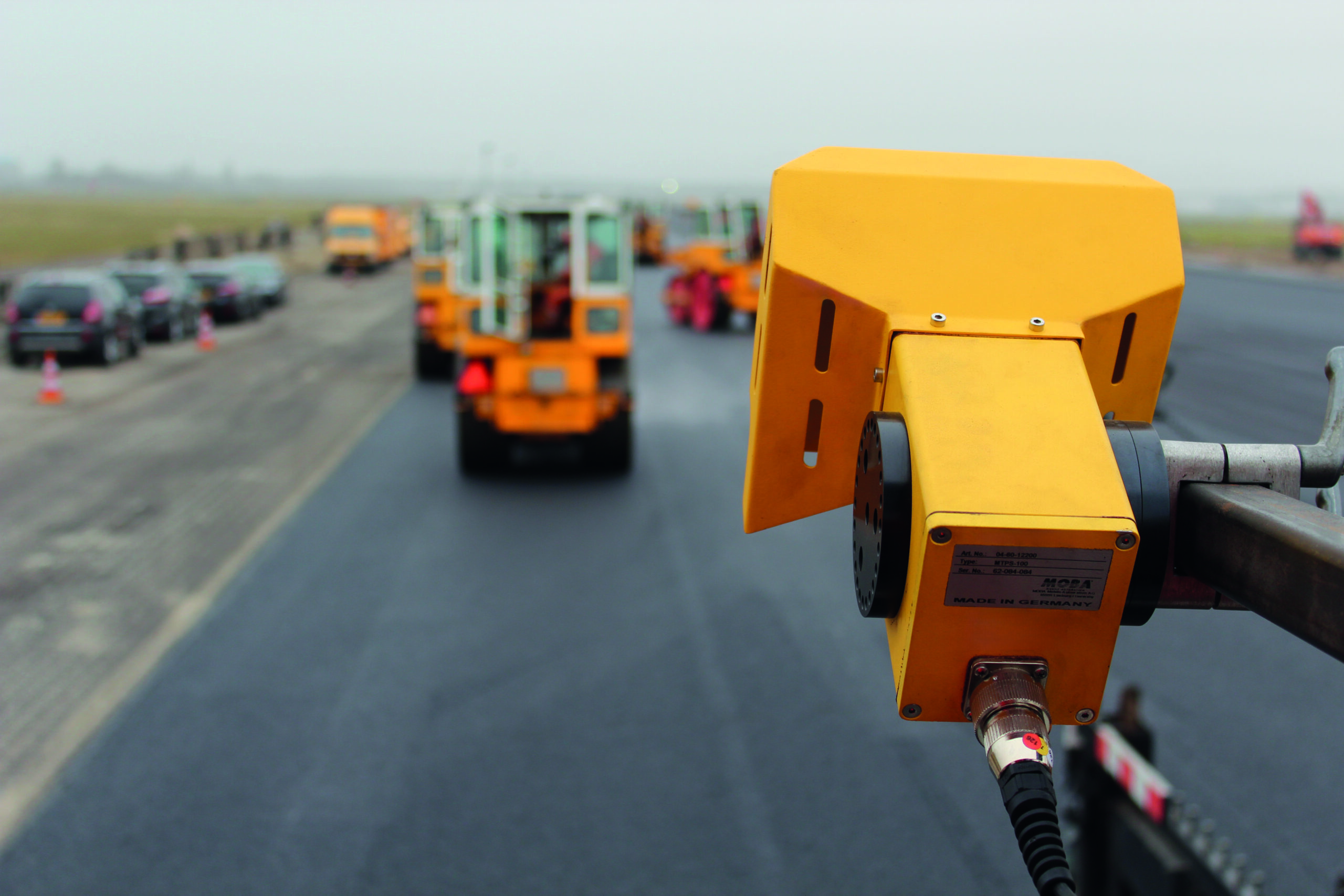
What the Mat Cannot Show You: Why Asphalt Temperature Differences Matter
Learn why temperature differences across an asphalt mat matter and how thermal profiling helps paving crews investigate conditions while work is underway.
We combine proven technology with forward-thinking innovation, application expertise, and engineering know-how to help OEMs develop better machines.
Every machine has different requirements. Sometimes it requires a complete application. Sometimes the challenge is adding a new machine function. And sometimes the answer is simply a proven component.
MOBA brings together sensors, controllers, HMIs, software, application expertise, and engineering support to help OEMs develop the right solution—from concept through integration, validation, and production.
Work with MOBA from concept and system architecture through hardware, software, integration, validation, and scalable production.
Add sensing, control, weighing, safety, positioning, operator interface, or connected functionality without developing everything from the ground up.
Address obsolescence, quality issues, supply constraints, or changing requirements with proven technology adapted to the machine.
Every project is different, but the path remains disciplined: understand the need, define the fit, validate the solution and support it at scale.
Machine, function, environment, volume, timeline and commercial goals
Technology foundation, customization scope and build vs. buy business case
Engineering collaboration across mechanics, electronics, software and protocol
Test performance, robustness, interfaces and production readiness
Industrialize production, support global rollout, and stay with the solution throughout the machine platform lifecycle.
From the first design decision through final production, MOBA brings engineering, testing, electronics manufacturing, assembly, and quality assurance together. This connected process helps us adapt proven technology to your machine, validate it for demanding operating conditions, and deliver the consistency OEM programs require.
A successful OEM program must work technically, commercially and operationally.
Work directly with MOBA engineers on protocols, interfaces, performance requirements, integration and validation.
Evaluate time to market, roadmap fit, build vs. buy economics, and long-term support — not just the component itself.
Gain confidence in capacity, quality history, ISO processes, delivery, supplier stability and scalable production.
Explore proven sensors, controllers, operator interfaces, and components designed for integration into mobile machinery.
Select a product to learn more
Need additional specifications, interfaces, or product options?
Beyond individual components, MOBA develops specialized technology and applications around specific machine requirements.
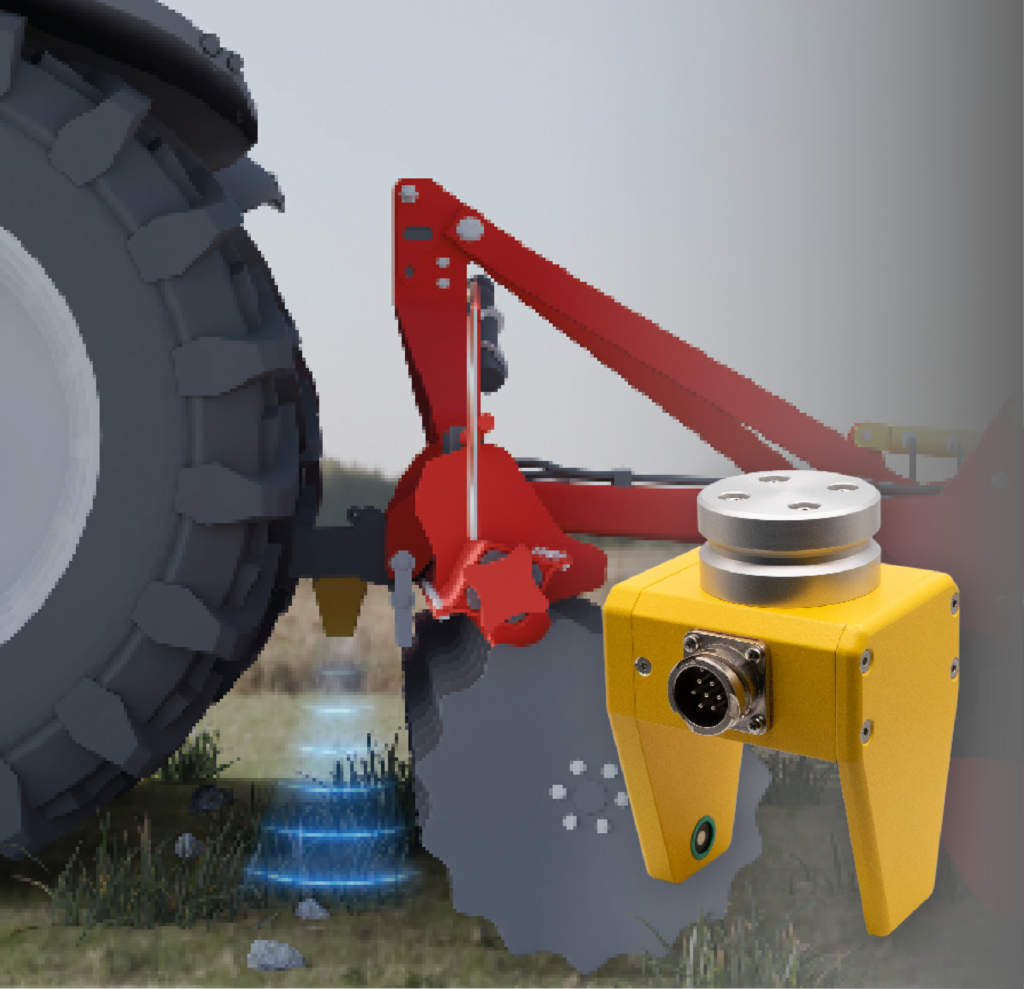
Agrisonic uses ultrasonic sensing to help automate height and position control on agricultural machinery. By continuously measuring the relationship between the machine and the crop or ground, the system helps equipment respond automatically as conditions change.
Some machine functions require more than a standard measurement. MOBA’s redundant sensing technology provides reliable inclination and position information for integration into safety-related mobile-machine functions.
MOBA develops sensors, controllers, and electronics around those realities—helping deliver reliable performance where it matters: on the machine, in the field.
With engineering, manufacturing, and locations worldwide, MOBA has the scale to support OEM programs across machines, markets, and production locations.
Our U.S. team provides the application expertise, service, parts, and field support customers need to keep their machines working.
Looking for proven sensors, controllers, HMIs or software to integrate into your own solution? MOBA offers flexible components, open interfaces and engineering support to help you build around your customer’s requirements.
Learn why temperature differences across an asphalt mat matter and how thermal profiling helps paving crews investigate conditions while work is underway.
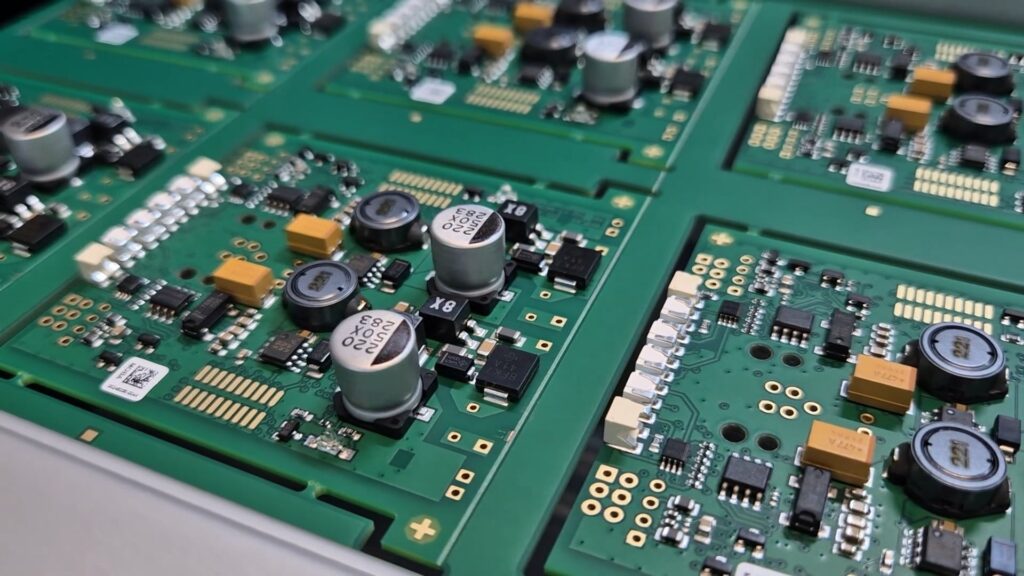
Choosing an Inclination Sensor for Mobile Equipment | MOBA Meta description: Learn what OEMs should evaluate when choosing an inclination sensor for mobile equipment, from…
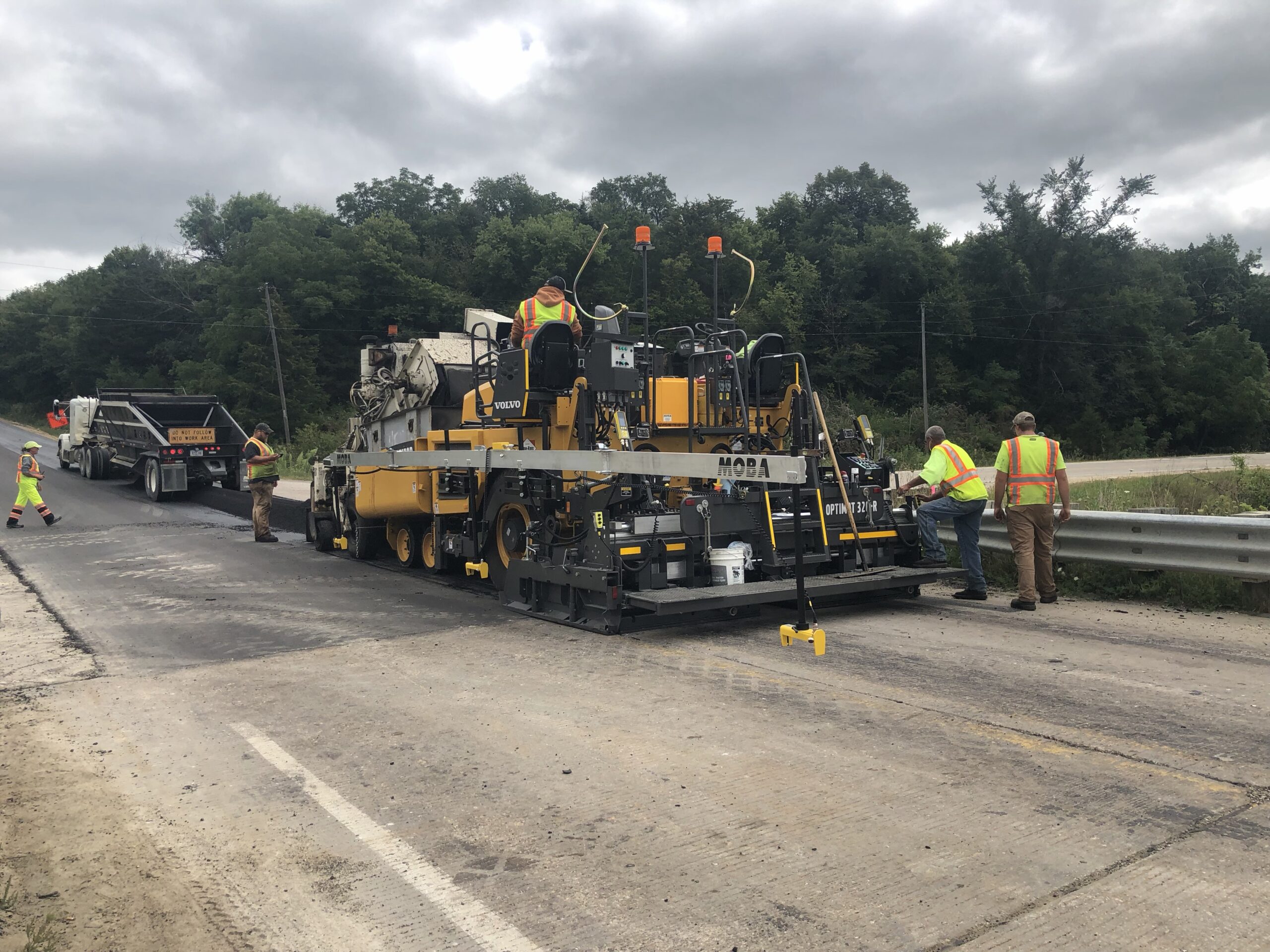
Get practical tips from MOBA Field Service expert Jon Lano on getting the most out of your MOBA-Matic system for consistent paving results.
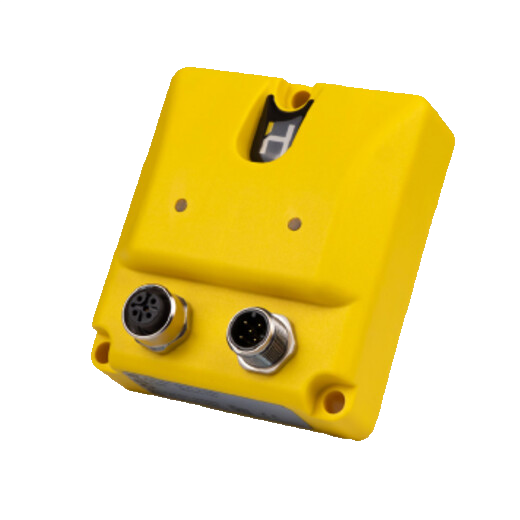
Whether you are replacing a component, evaluating build vs. buy or developing a new machine platform, start with the requirements. We will help determine whether proven MOBA technology can be adapted to fit.
Choose Your Desired MOBA Subsidiary / Language
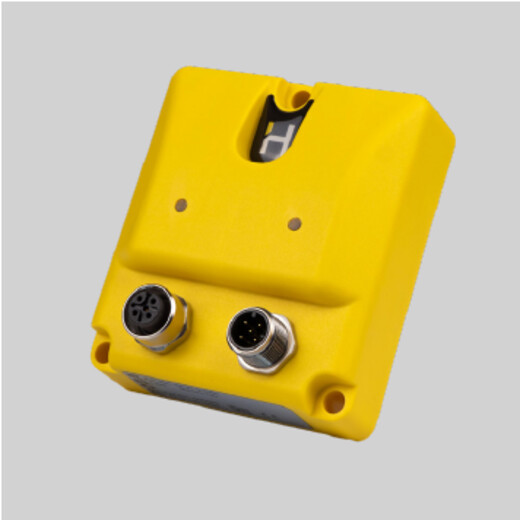
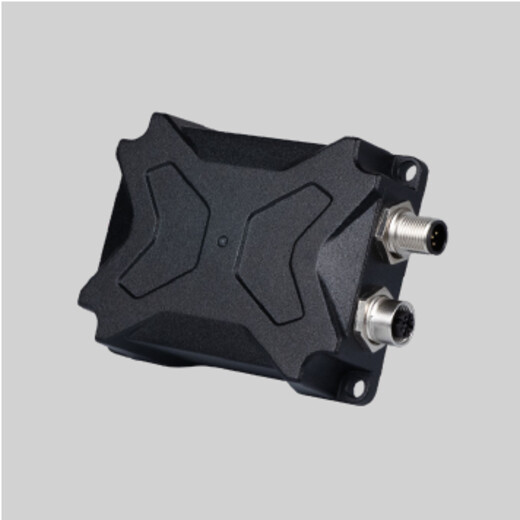
Dependable position and inclination feedback for safety-related functions on mobile machinery.
Intelligent weighing makes agriculture simpler, more efficient, and more transparent.
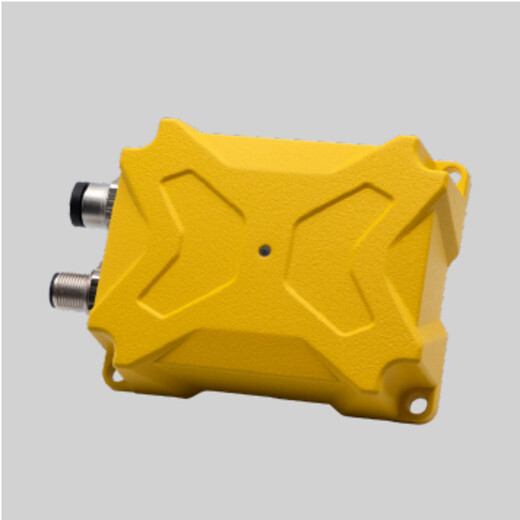
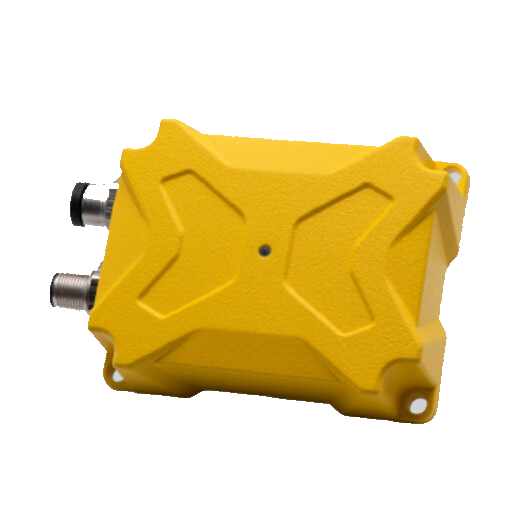
Precise inclination sensors for machine leveling, positioning, and safety-related applications.
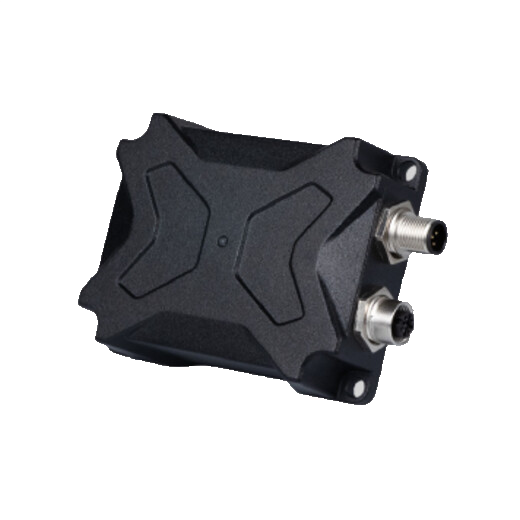
High-precision inertial sensor for measuring machine movement, orientation, and dynamics.
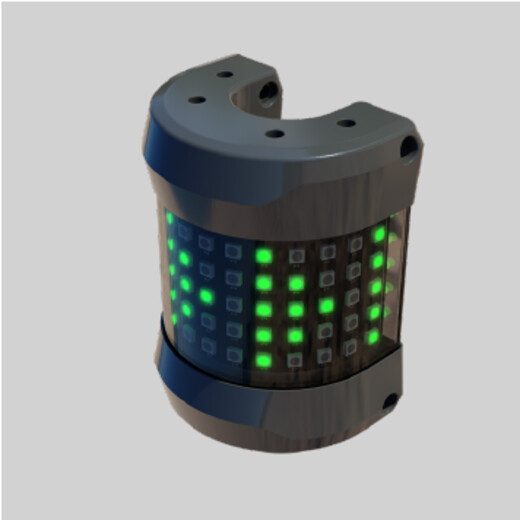
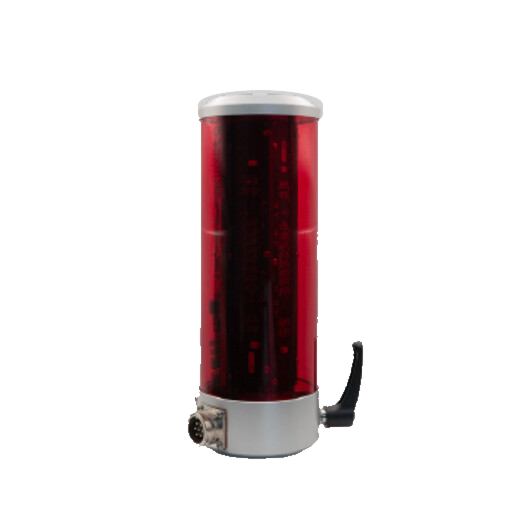
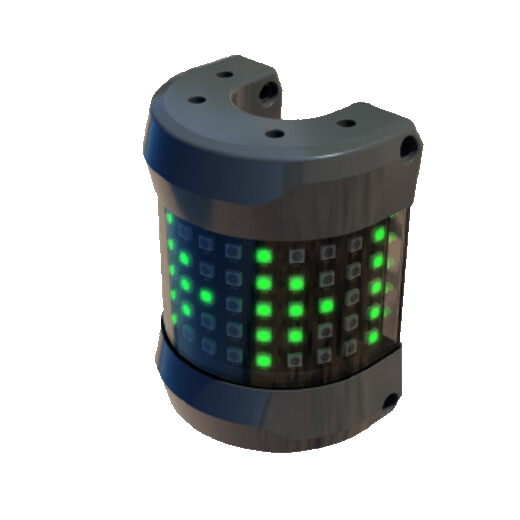
Programmable signaling unit for clear visual and acoustic machine feedback.
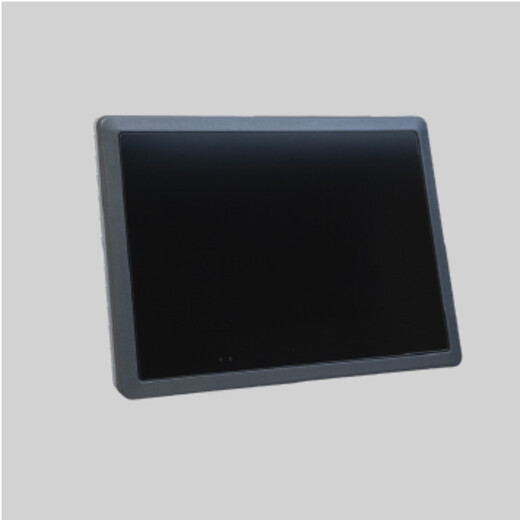
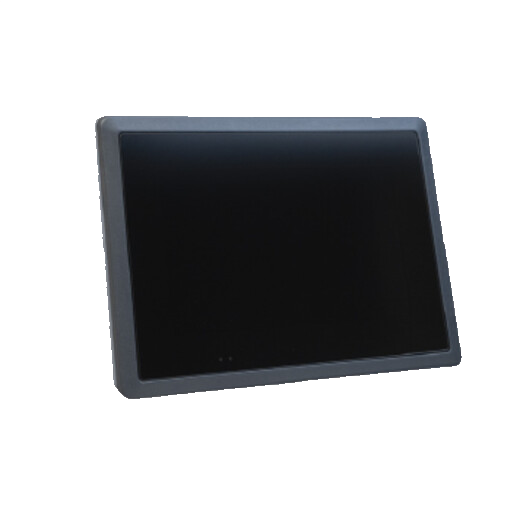
Rugged 10-inch touchscreen for machine control, monitoring, cameras, and diagnostics.
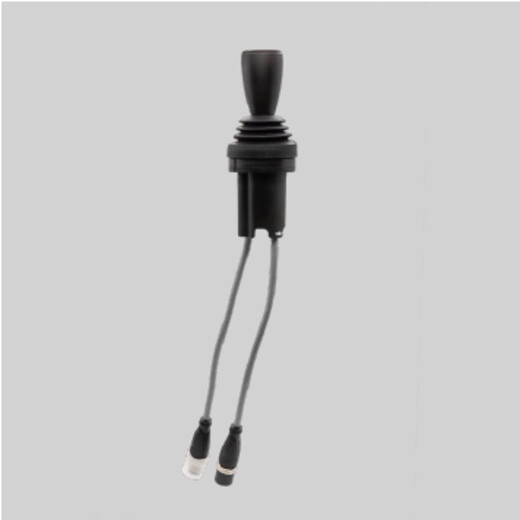
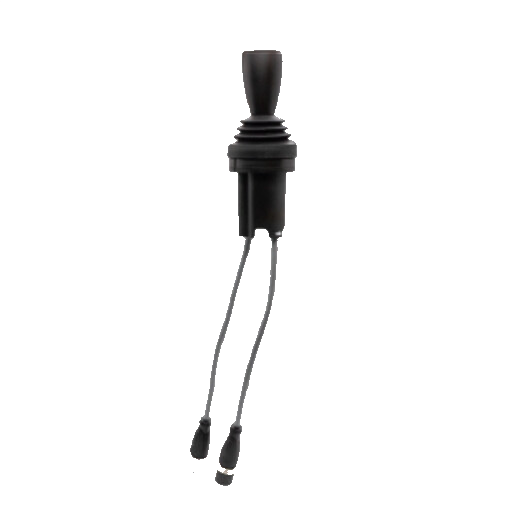
Rugged Hall-effect joystick for safe, precise, and intuitive machine control.
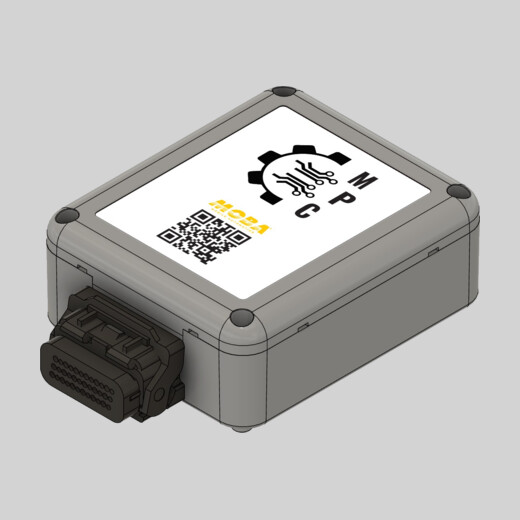
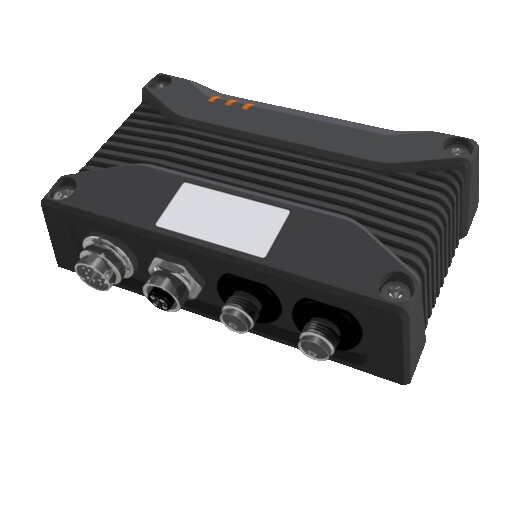
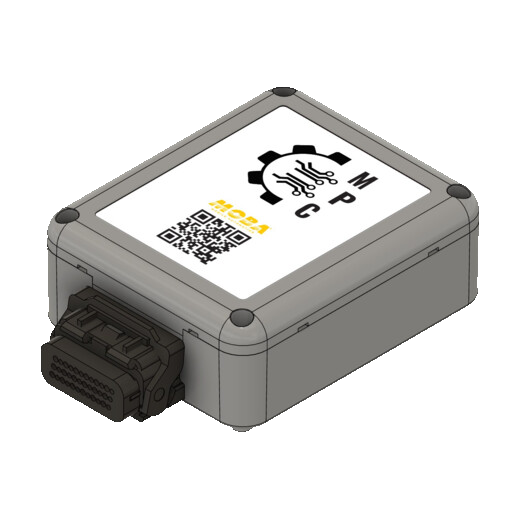
Compact redundant controller for safety-related machine control and automation.
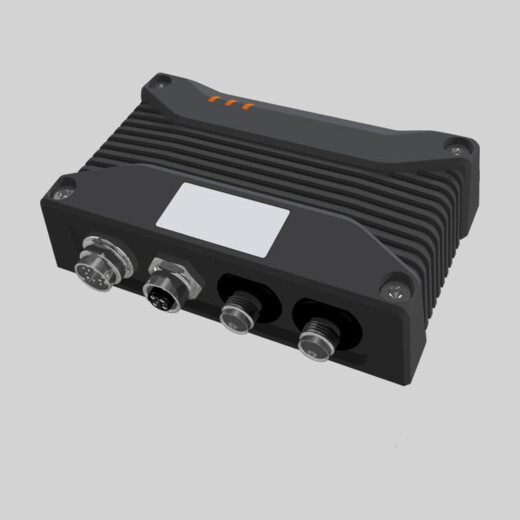
Compact positioning controller with integrated dual RTK GNSS for precise machine positioning.
Temperature-compensated ultrasonic sensor for precise distance measurement over hot surfaces.
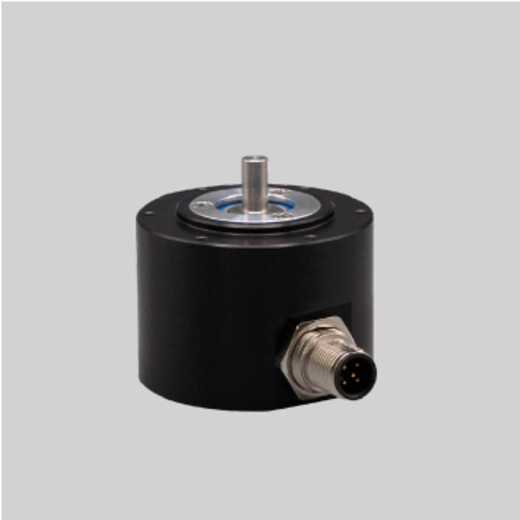
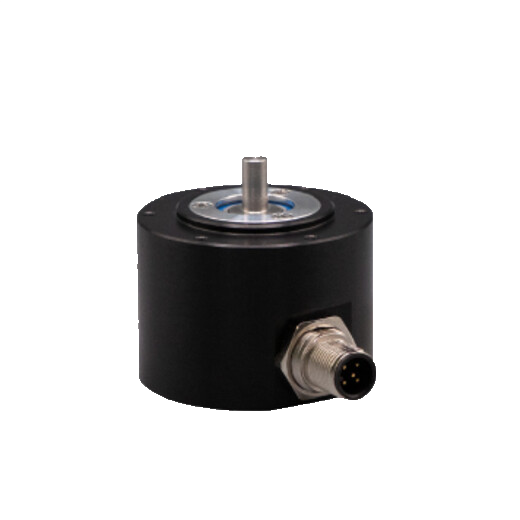
Rotary position sensor for precise position feedback and machine control.
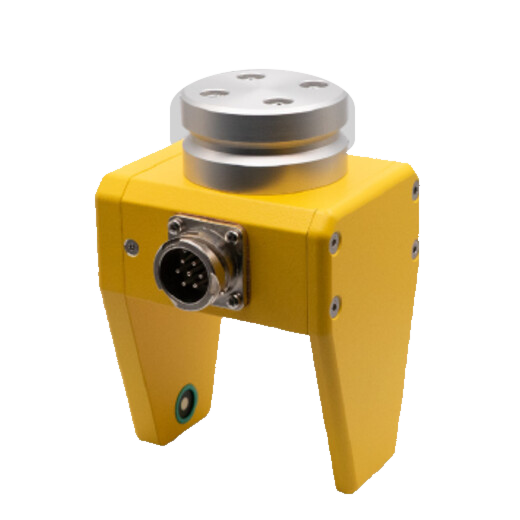
Dual ultrasonic system for reliable distance and safety-related proximity measurement.
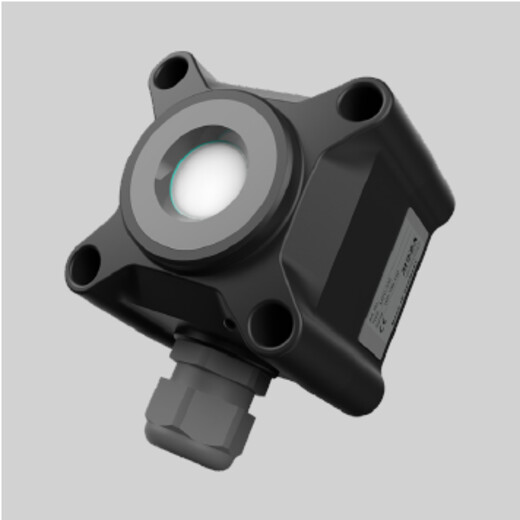
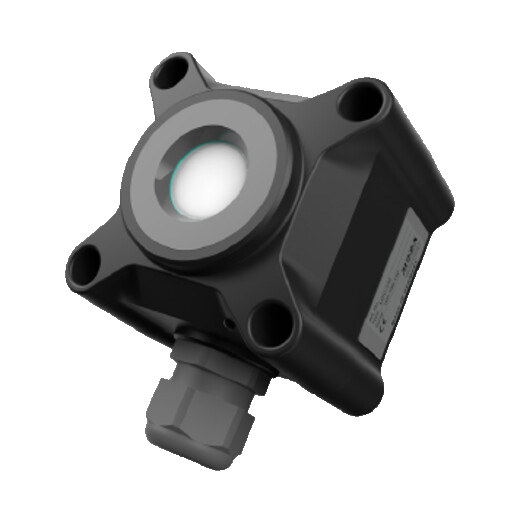
Wide-area temperature sensor for monitoring surface temperatures and detecting hot and cold spots.
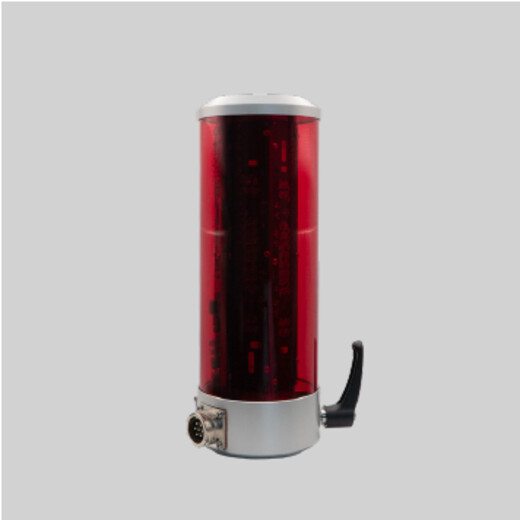
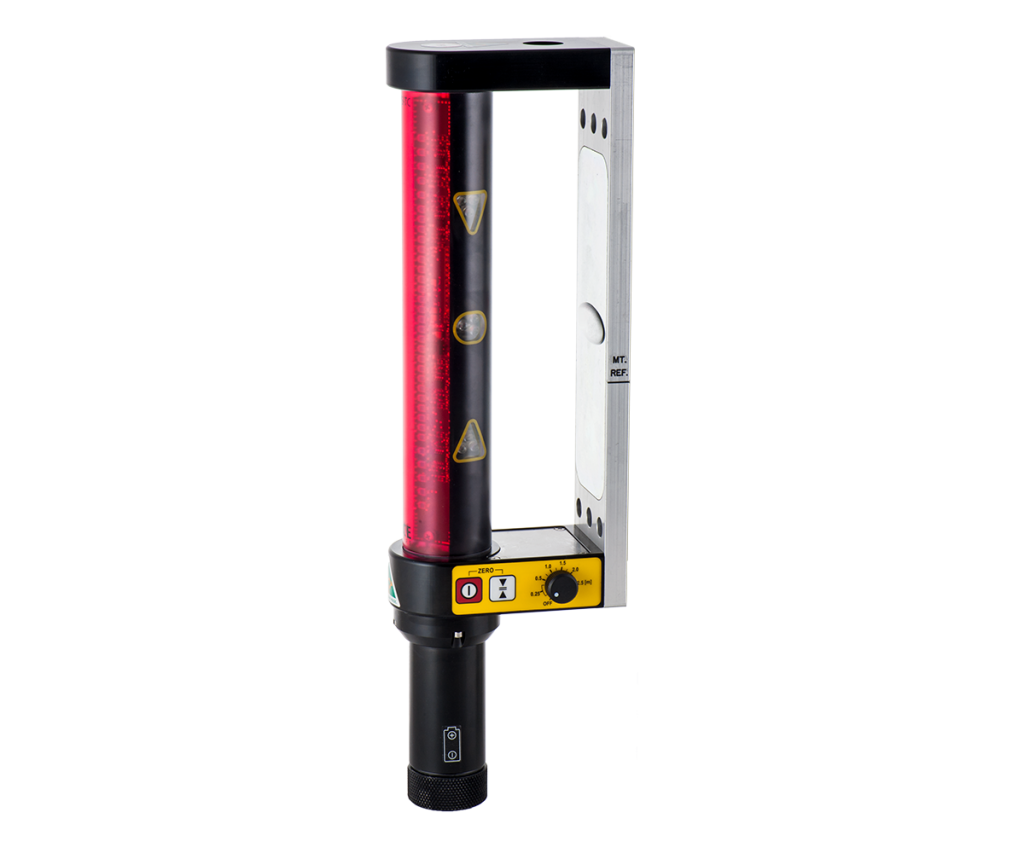
360° laser receiver for precise height reference in grading and leveling applications.
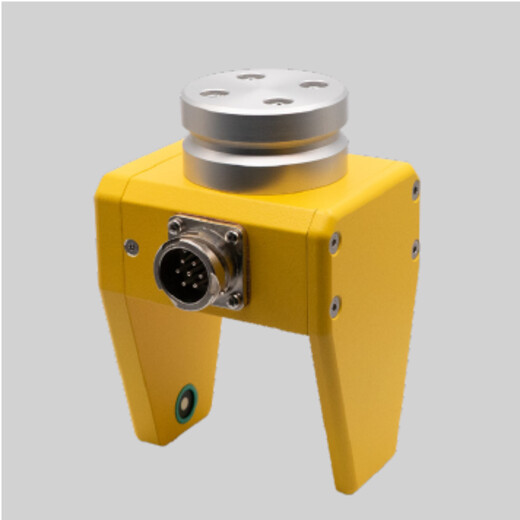
Rugged acceleration sensor for real-time compaction measurement and quality monitoring.
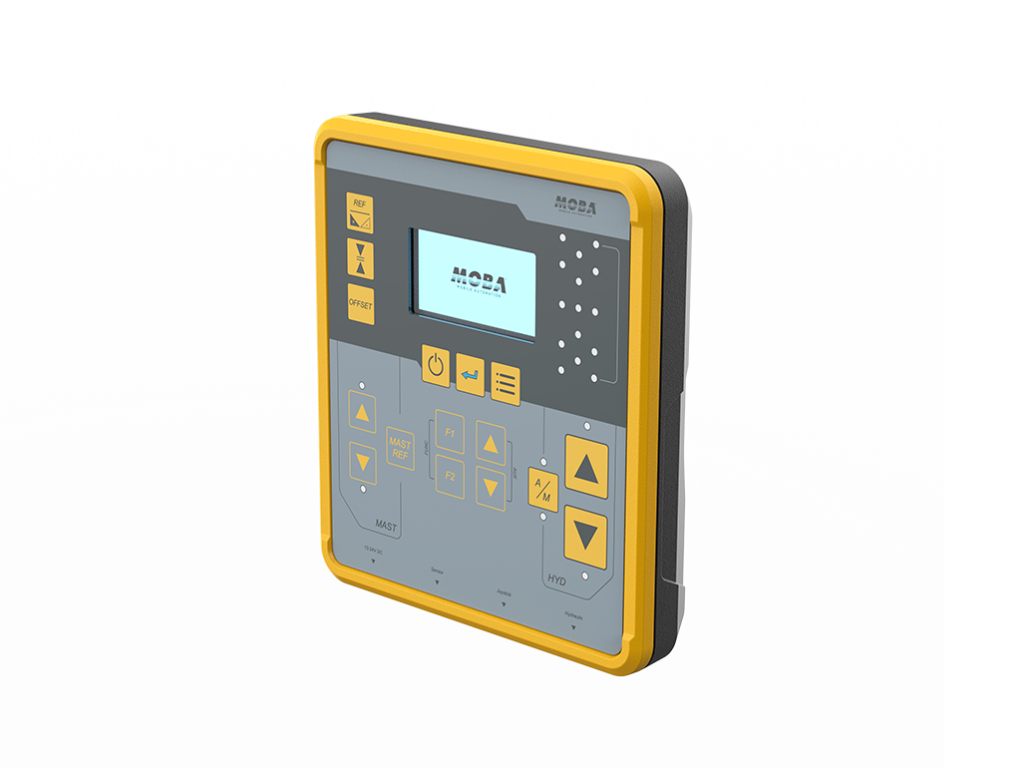
The CB.D3 provides the control layer for automatic laser-based blade positioning. It takes the receiver reference and interfaces with the machine’s hydraulic system so the blade can respond automatically, reducing the repeated manual corrections required to stay on the intended grade or level.
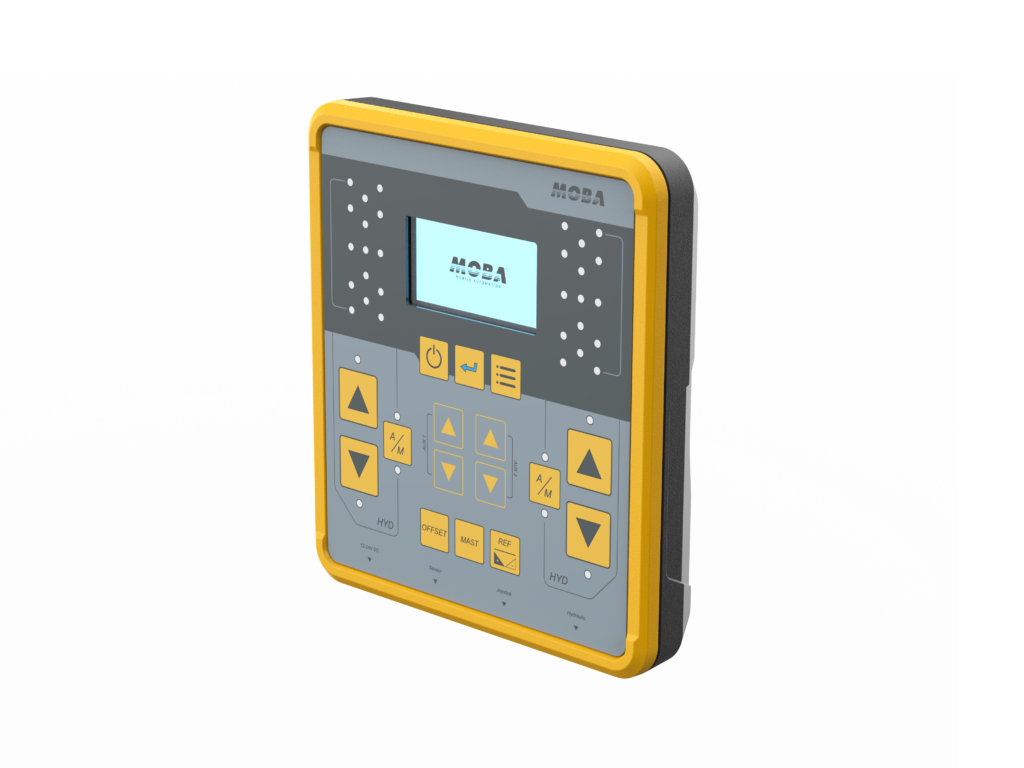
For grading attachments that use two laser receivers, the DUO3 provides the control between the receiver signals and the machine hydraulics. It is designed for applications where both sides of the blade need to respond to the laser reference, helping automate repeated blade-height corrections while the operator runs the machine.
The R.45.TC PRO builds on the straightforward visual guidance of the R.45.TC and adds connectivity for remote in-cab display and setup options. It gives operators a clear laser reference at the machine while supporting applications that benefit from CAN or Bluetooth integration.
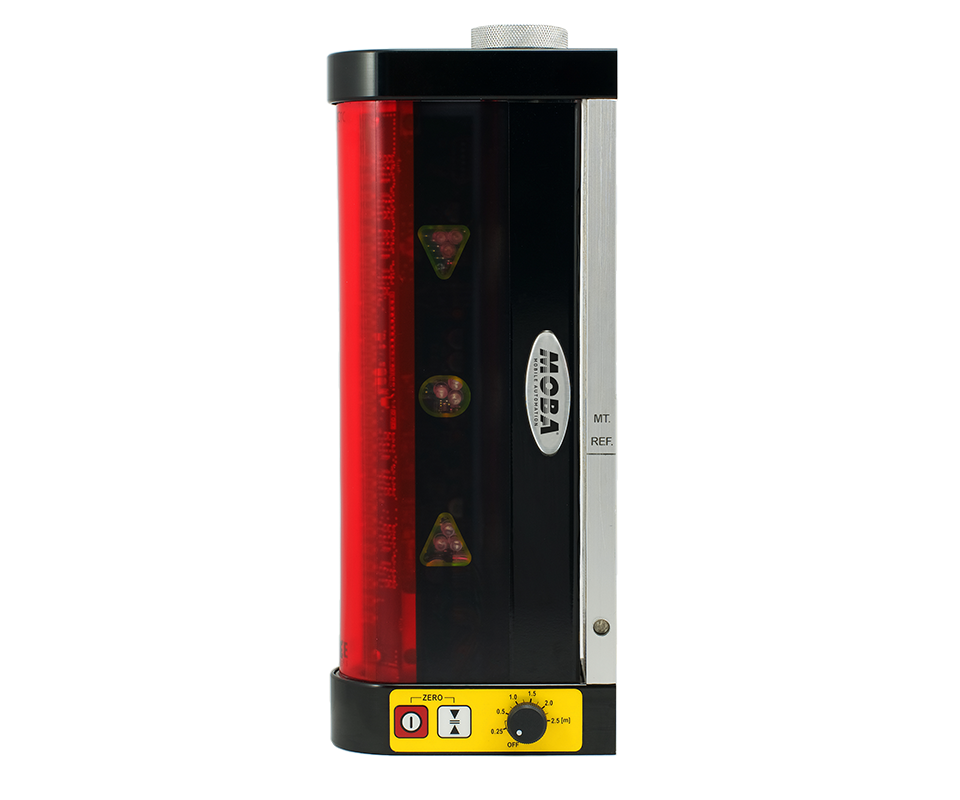
The R.45.TC brings the laser reference directly to the machine so the operator can see whether the attachment is high, low or on grade without repeatedly stopping to check elevation. Built-in tilt compensation automatically corrects for boom-angle changes, helping maintain a more dependable reference while the machine moves.
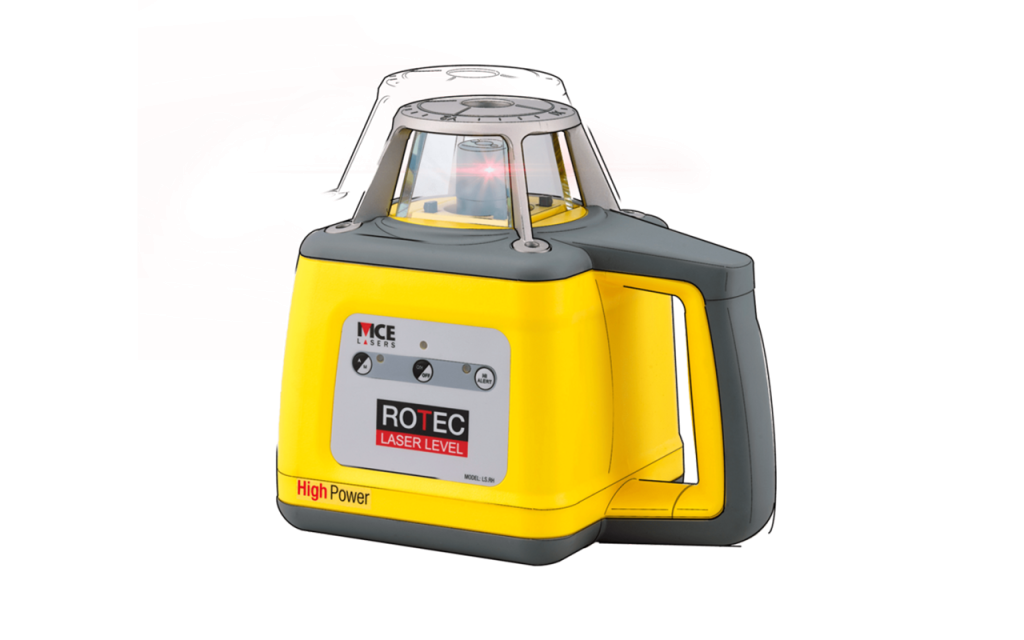
ROTEC LS.RH is a compact horizontal self-leveling laser for construction and leveling work where crews need a dependable reference without a complicated setup. Its rugged housing, electronic self-leveling and field-ready power options make it a practical everyday laser for demanding sites.
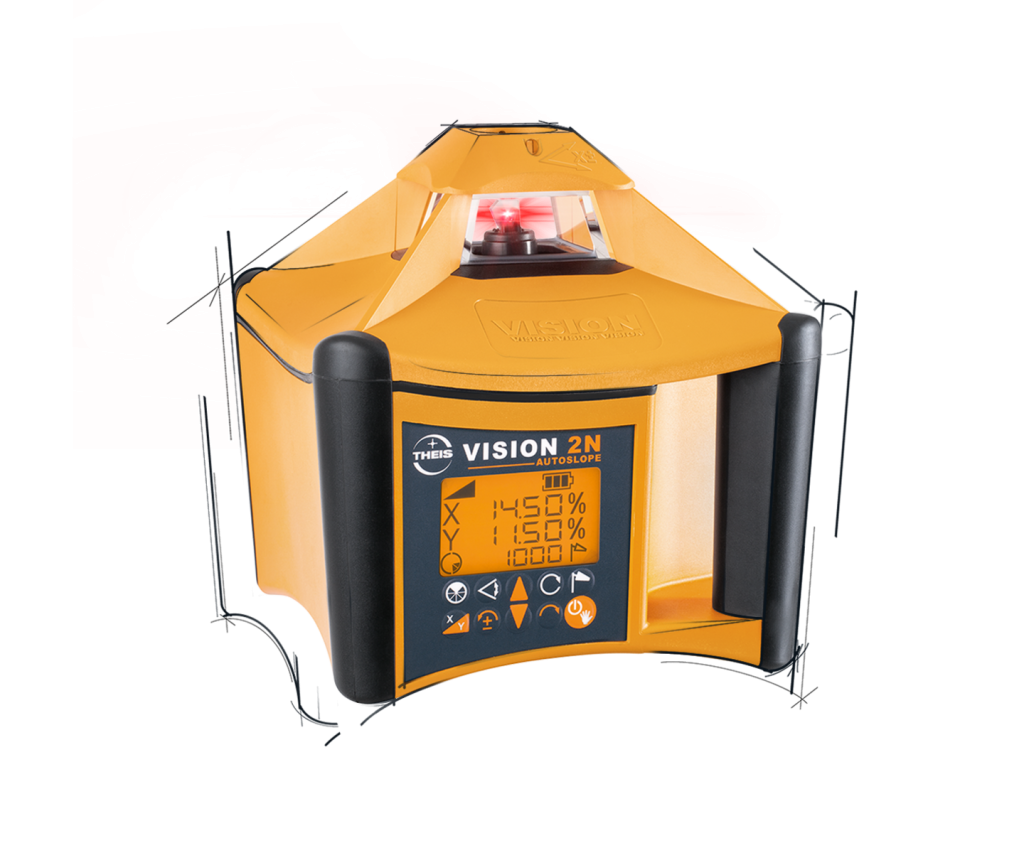
The Vision 2N Autoslope is designed for grade work where maintaining the intended slope matters throughout the job. It electronically monitors the laser plane and automatically corrects for mechanical or thermal changes, reducing the need to stop and reset the reference.
The Vision 2N is built for applications that need both horizontal and vertical grade reference, including slope and alignment work. The 2N Align version adds automated alignment with the TE 90 ALIGN receiver, giving crews a more efficient setup when line and grade both matter.
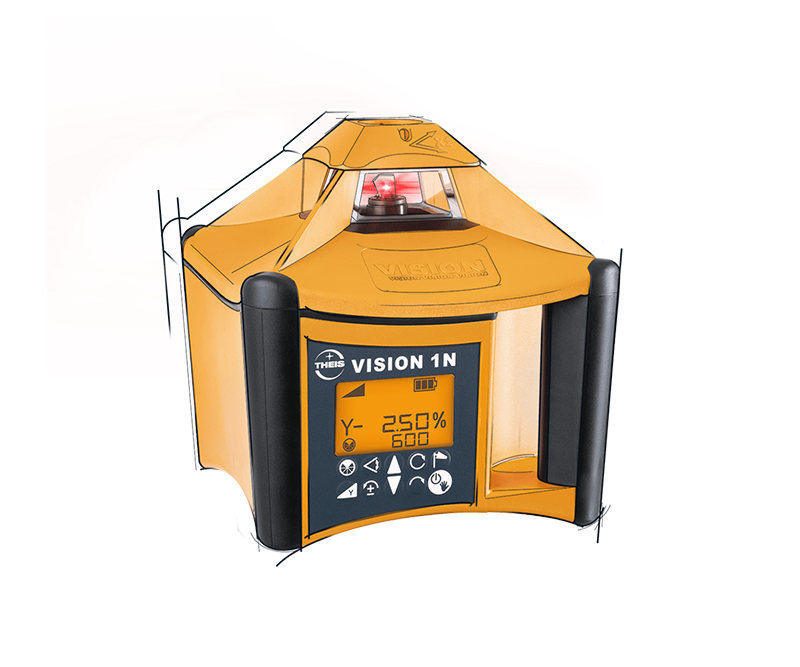
The Vision 1N provides a monitored laser reference for construction grading, site preparation and other work where crews need a dependable plane across the jobsite. It keeps the setup practical while helping protect against false readings when operating conditions change.