What the Mat Cannot Show You: Why Asphalt Temperature Differences Matter
A fresh asphalt mat can look consistent behind the screed and still have temperature differences worth investigating. For a paving foreman, that creates a practical problem: how do you spot a change early enough to understand what is happening while the crew is still paving?
Asphalt thermal profiling adds a view the eye alone cannot provide. It shows surface temperature patterns across the mat, helping the crew connect what they see on a display with what is happening in the paving operation.
WHY TEMPERATURE DIFFERENCES DESERVE ATTENTION
Thermal segregation means that parts of the asphalt mat are at different temperatures. Those differences matter because colder areas can be more difficult to compact properly. Uneven compaction can leave areas with lower density, which can affect pavement durability. The useful question is more specific than “Is the asphalt hot?” It is “How consistent is the temperature across the material we are placing?” A temperature reading at one location answers a question about that spot. A thermal profile helps show how conditions vary across the mat.
START WITH THE PATTERN
When a cooler area appears, treat it as a reason to investigate. The display identifies a temperature difference; the crew still needs to work out what caused it.
A useful discussion starts with a few questions:
- Where is the cooler area, and how much of the mat does it cover?
- Is it an isolated spot or a pattern that keeps returning?
- What was happening with material delivery and paving at that time?
- Who needs that information to help investigate?
For example, if a pattern appears around a change in truck loads, that gives the foreman and quality team a specific part of the operation to examine. It does not, by itself, establish the cause.
This is where field experience matters. Temperature information is most useful when the people looking at it also understand the job.
MAKE THE INFORMATION PART OF THE CREW’S WORK
Before the shift, agree on who will watch the temperature information and how an observation will reach the foreman or quality lead. Decide how the crew will note the location and relevant job conditions.
That handoff can be simple. The important part is that someone owns the follow-through. A display can show a change, but the crew has to connect that change to an investigation and an appropriate response.
Use the project’s quality plan and applicable specifications to guide that response. Thermal profiling measures temperature; it does not directly measure density or replace the required acceptance testing.
WHERE PAVE-IR FITS
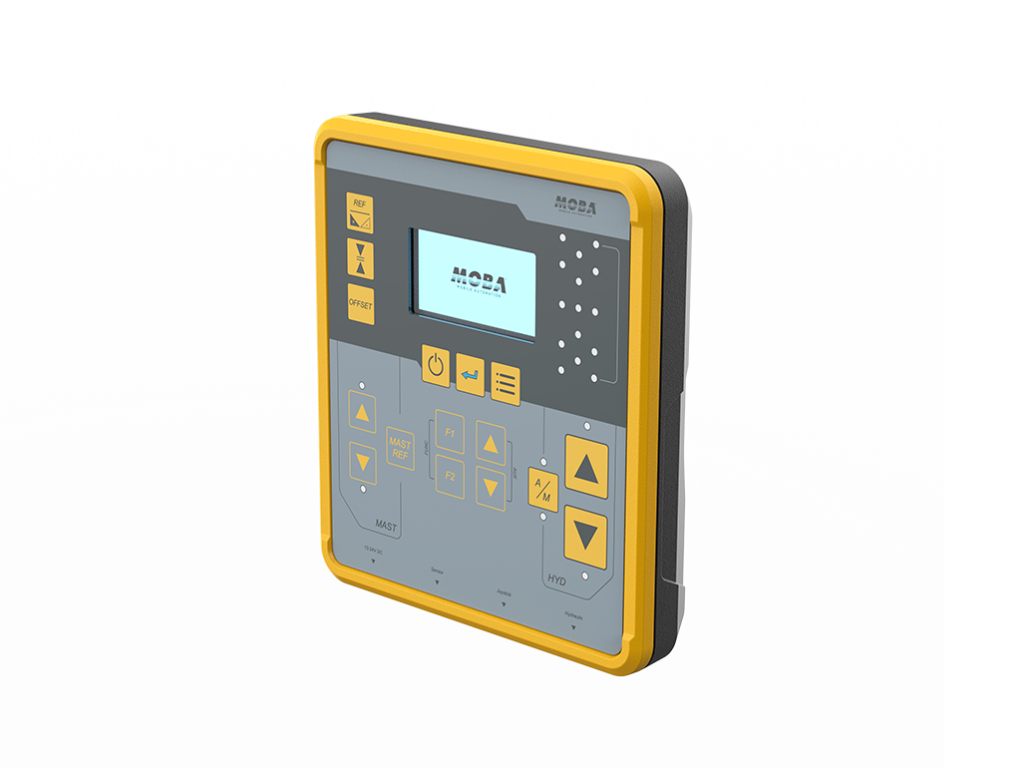
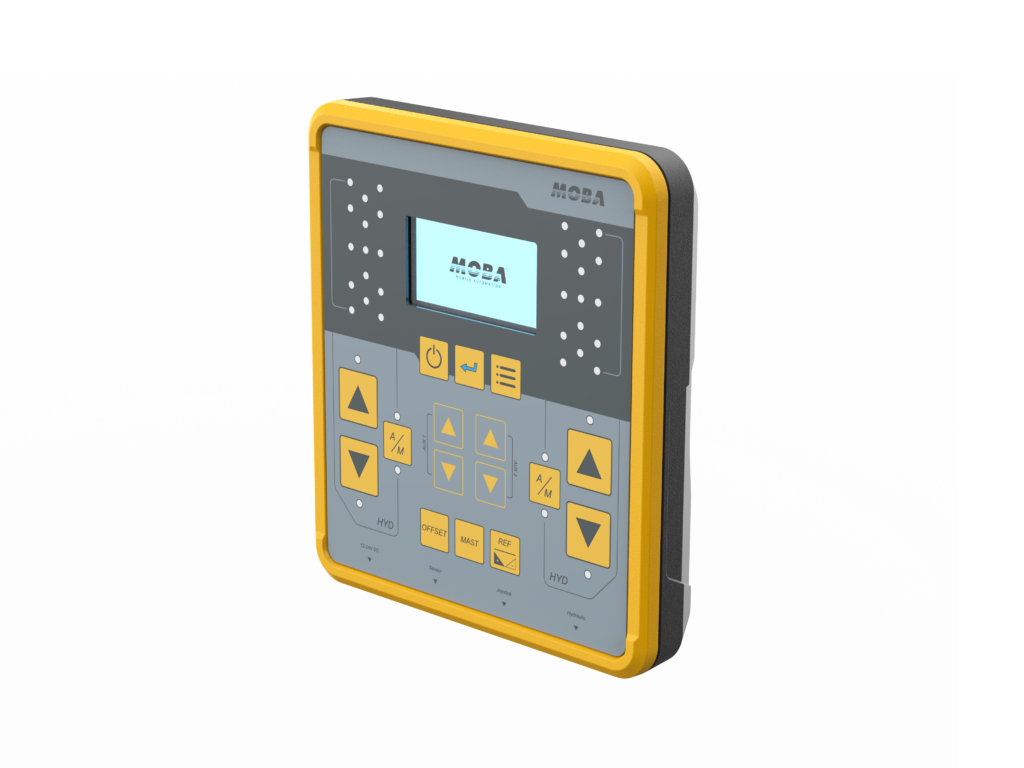
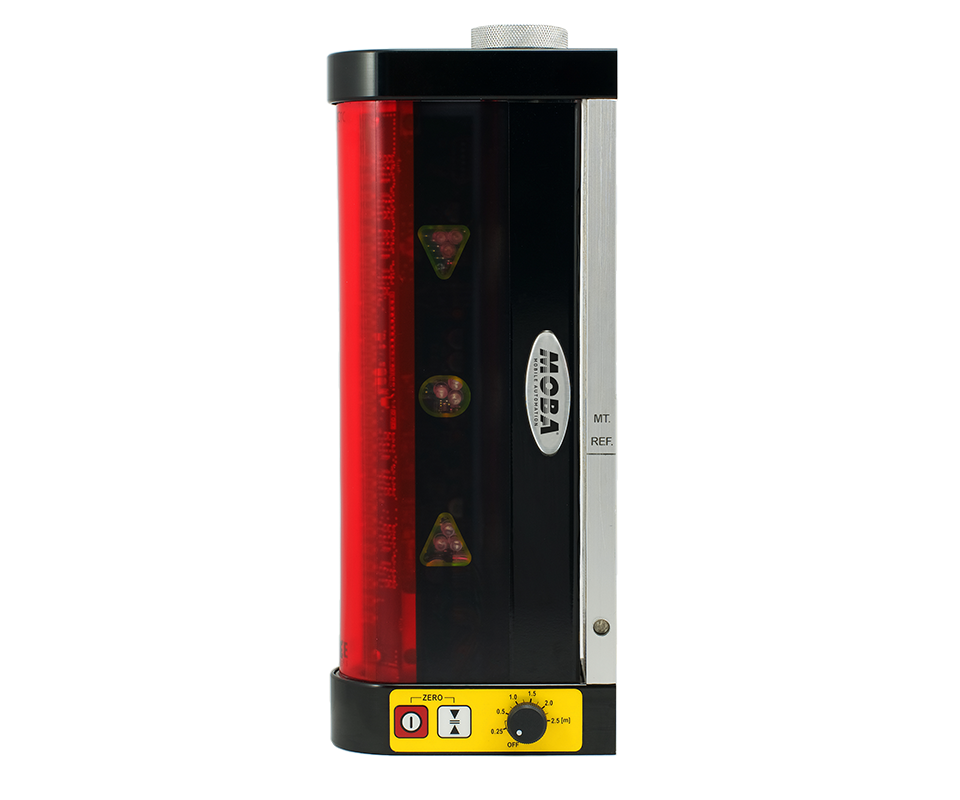
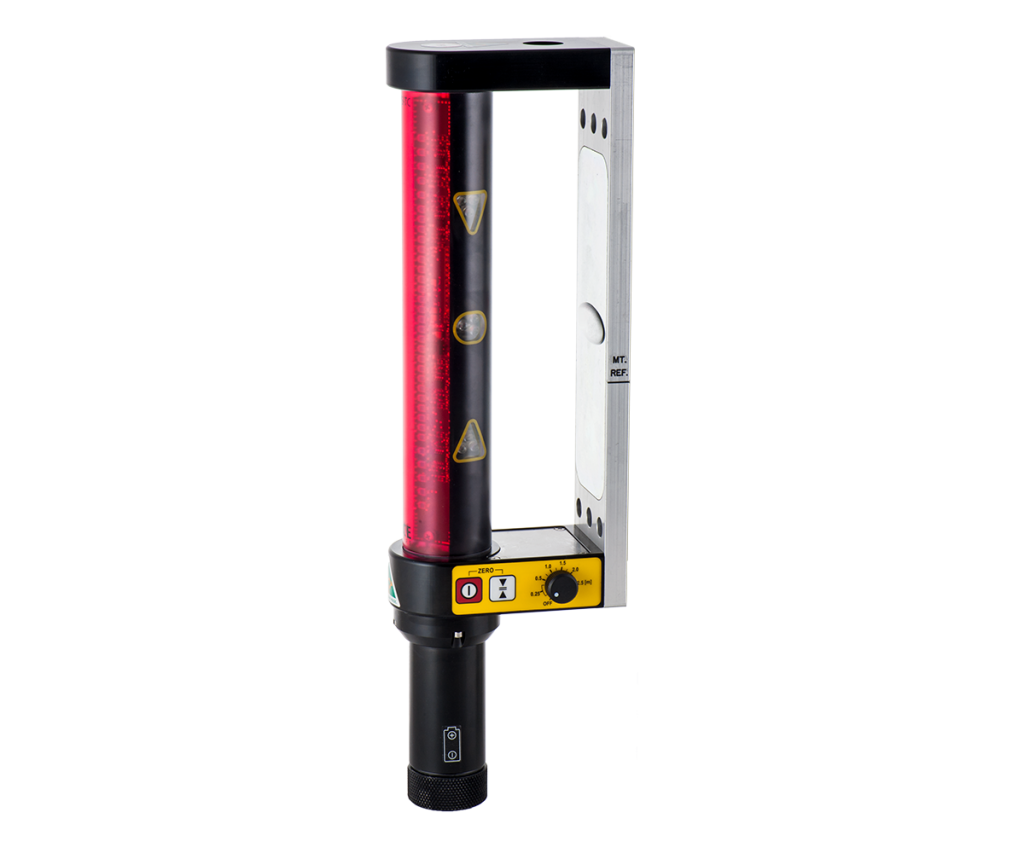
MOBA PAVE-IR measures temperature across the mat behind the screed and displays the thermal profile while paving is underway. It also records information for later review and project documentation.
For the foreman, the immediate value is visibility: a way to identify temperature differences and bring a more specific question to the crew. For the quality team, the record provides context for reviewing the paving process.
The goal is to make temperature information useful to the people doing the work. Start with your crew’s questions, your paving operation, and your quality requirements.
Want to see how thermal profiling could fit your paving process? Talk with MOBA’s U.S. paving team about PAVE-IR.