Why the Best Paving Results Start Before the First Pass
When people think about asphalt paving quality, they often focus on the paver, the screed, or the final mat behind the machine. But some of the biggest problems in paving begin long before the first pass is completed.
Poor drainage, uneven surfaces, inconsistent ride quality, and costly rework are often tied back to one critical issue: improper grade and slope control at the start of the job.
Crews that consistently deliver smooth, award-winning pavement understand that success starts with preparation, precision, and consistency from the ground up.
Small Errors Become Big Problems
Even minor inconsistencies in grade can create major issues later in the project. A slight deviation in slope may not seem significant during setup, but it can lead to standing water, failed drainage, rough transitions, and surfaces that fall outside specification.
Once asphalt is down, correcting those issues becomes expensive and time-consuming.
That is why more contractors are focusing on improving accuracy before and during paving instead of relying on corrections after the fact.

Why Consistency Matters
High-performing paving crews separate themselves through consistency. The ability to maintain accurate elevation and slope throughout the paving process helps crews:
- Improve ride quality
- Reduce rework and material waste
- Minimize manual adjustments
- Keep projects on specification
- Improve drainage performance
- Increase efficiency across the jobsite
The smoother and more consistent the process is from the beginning, the easier it becomes to achieve quality results the first time.
How Machine Control Improves Paving Quality
Modern machine control technology gives operators the ability to make faster and more accurate adjustments throughout the paving process.
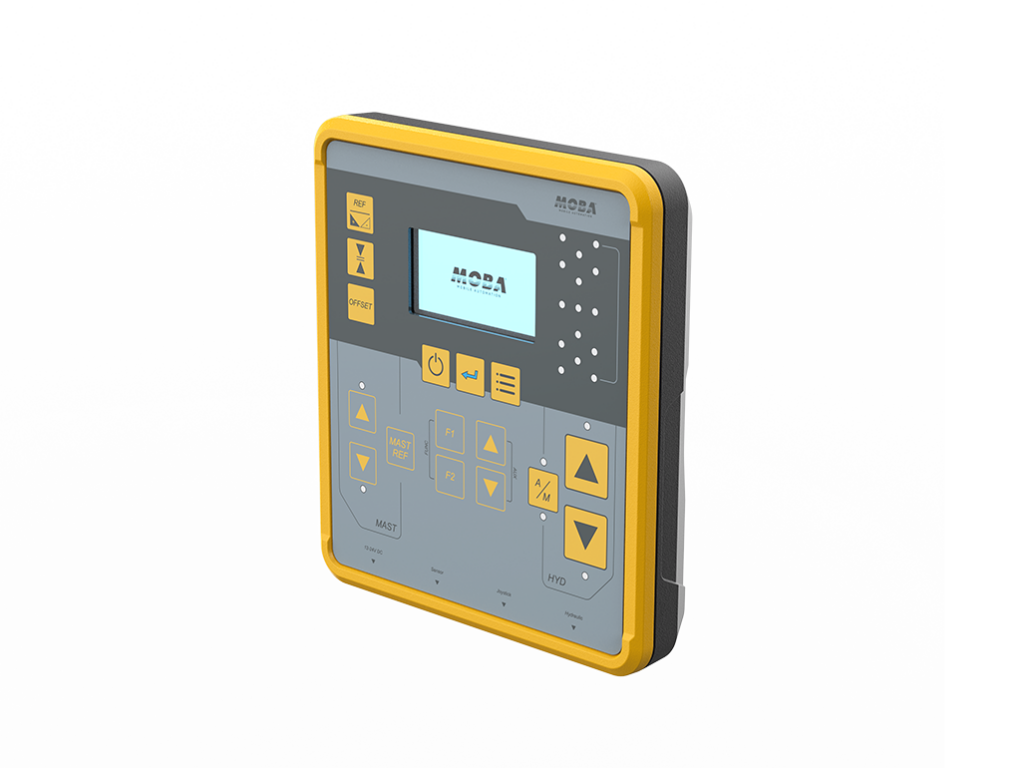
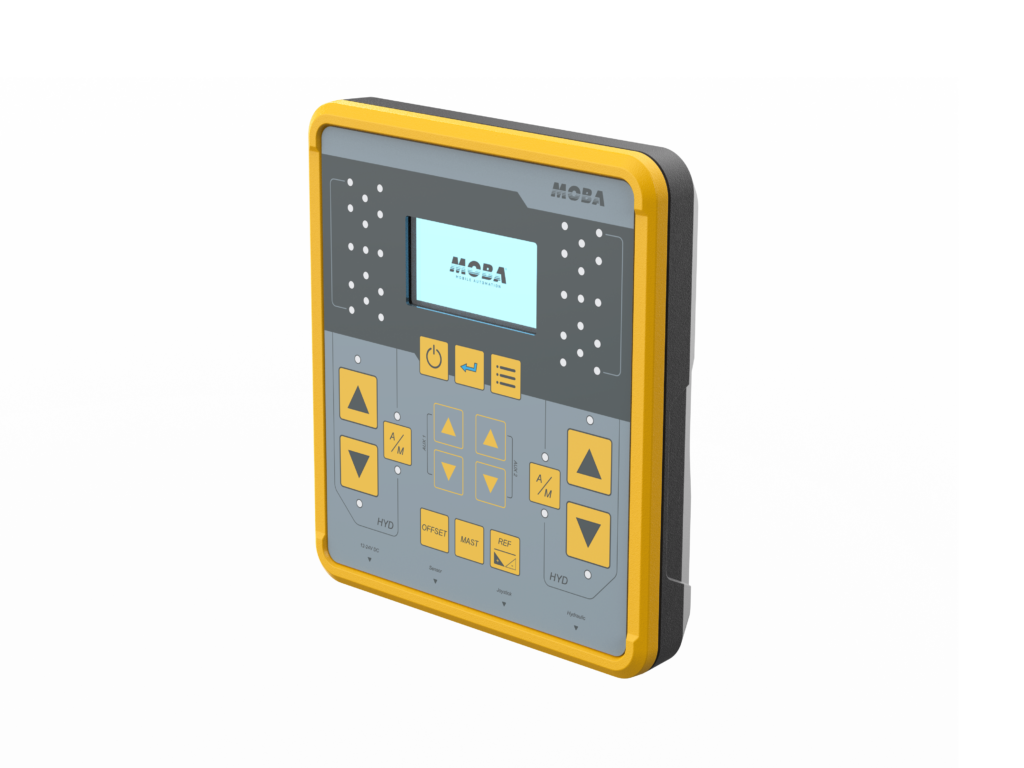
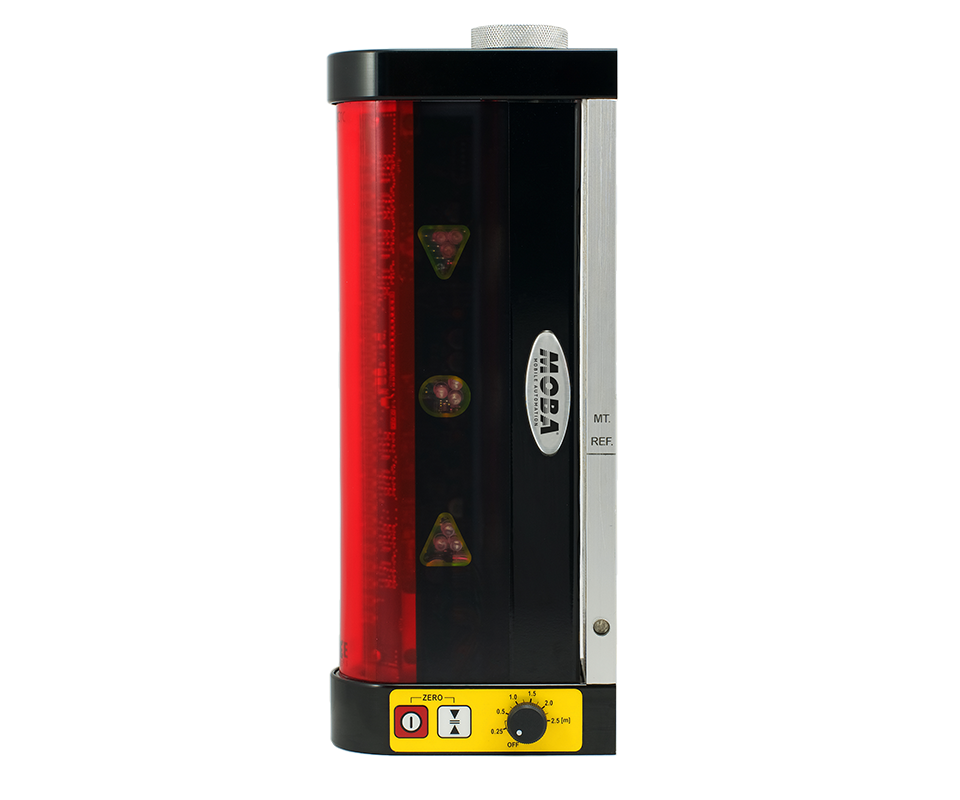
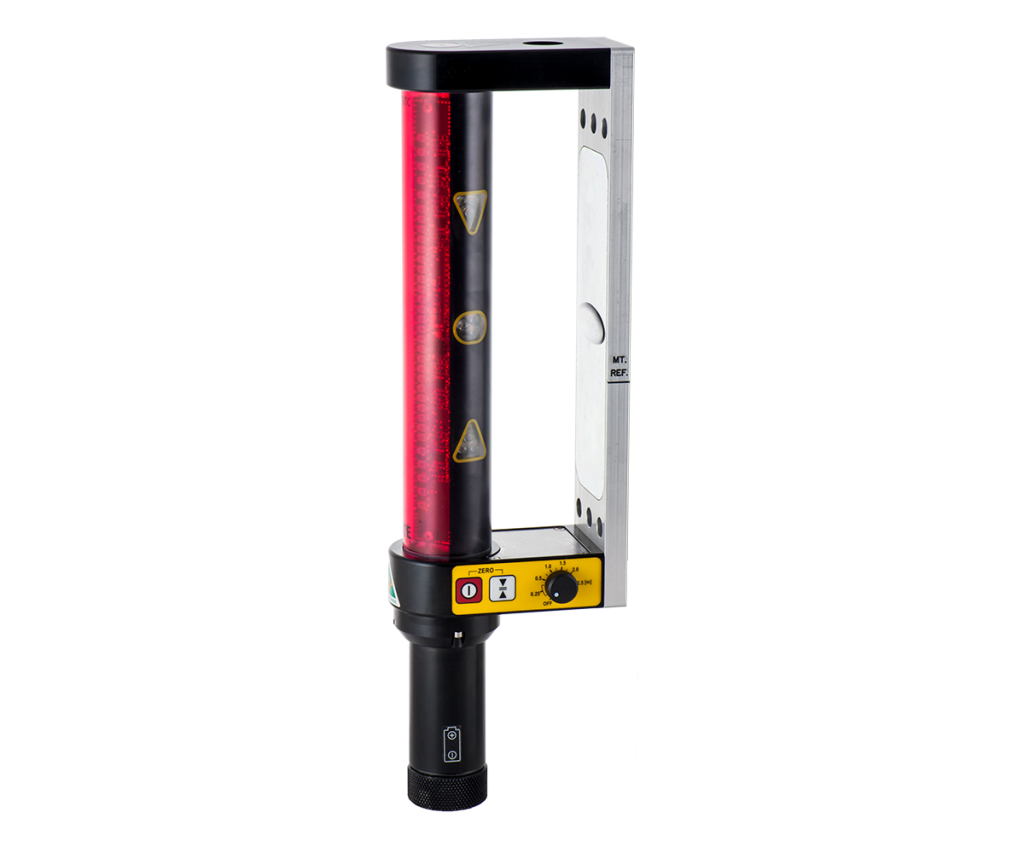
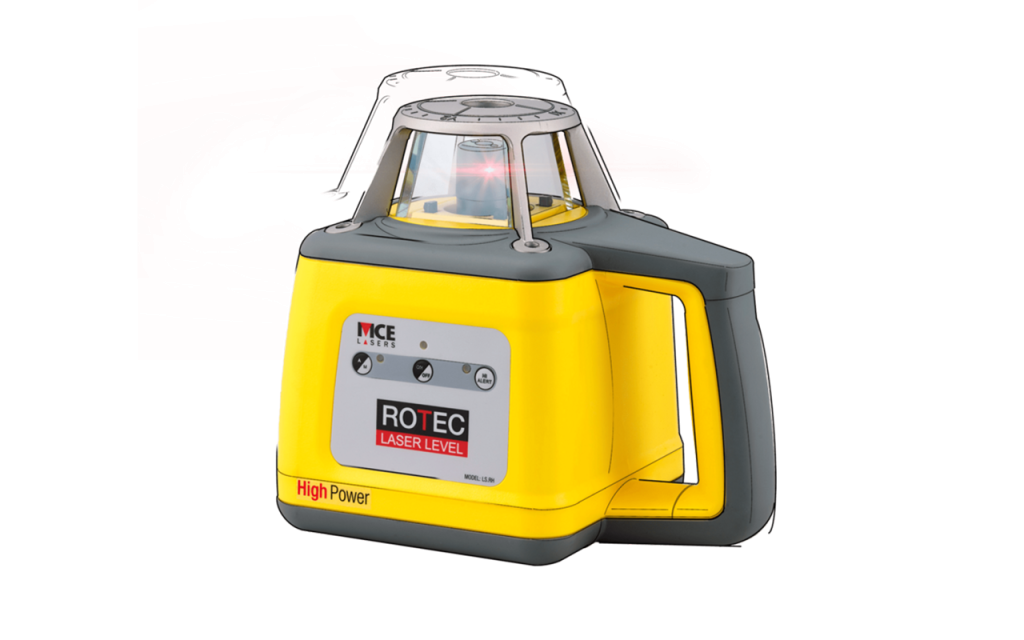
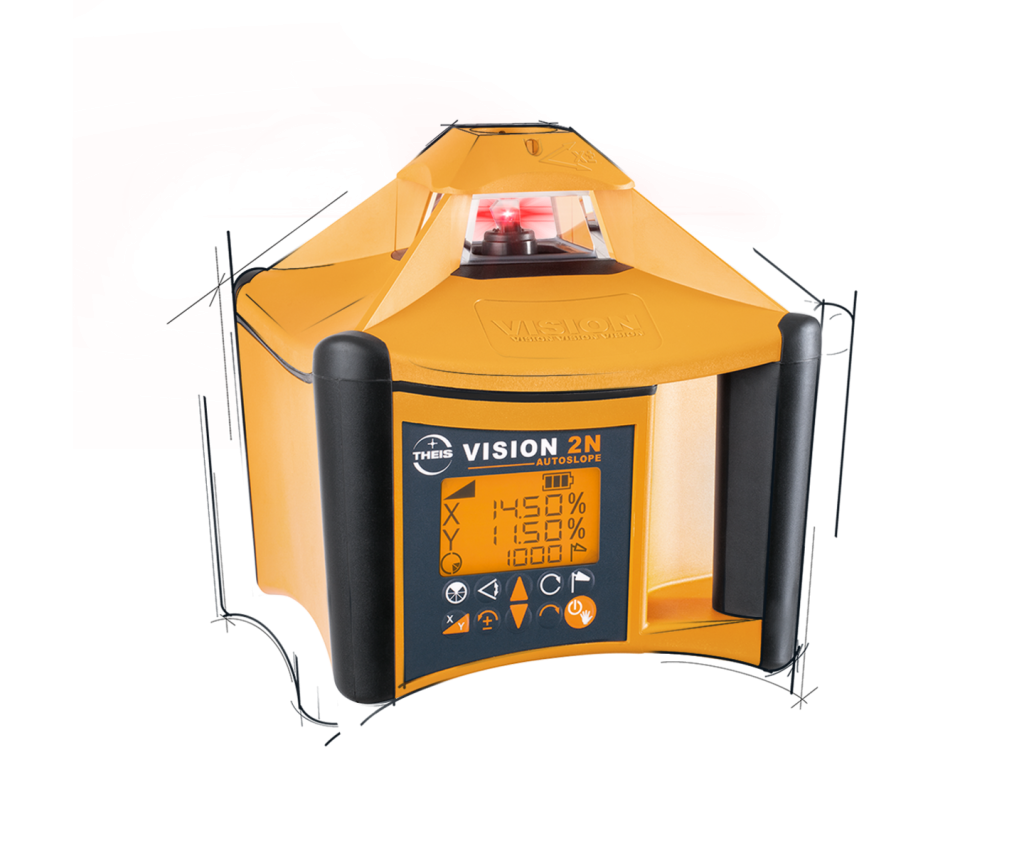
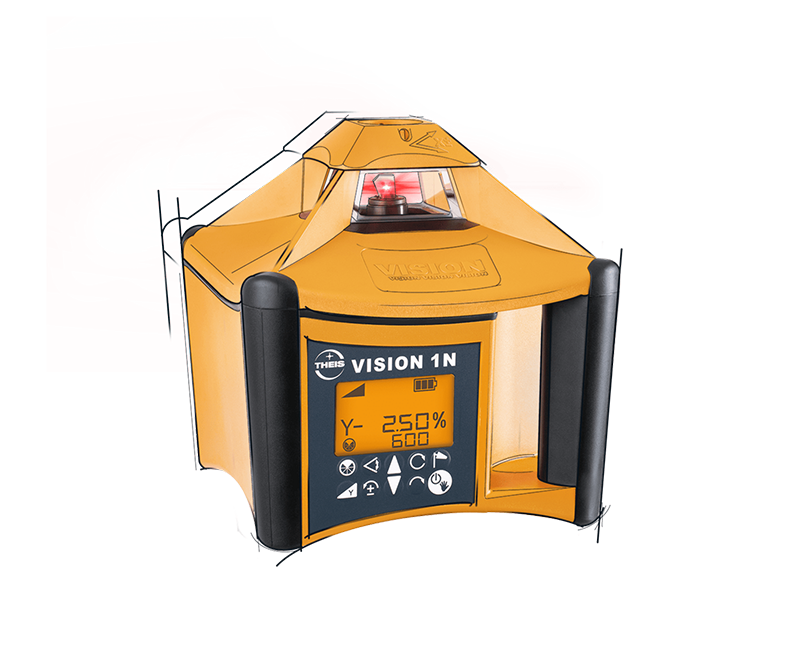
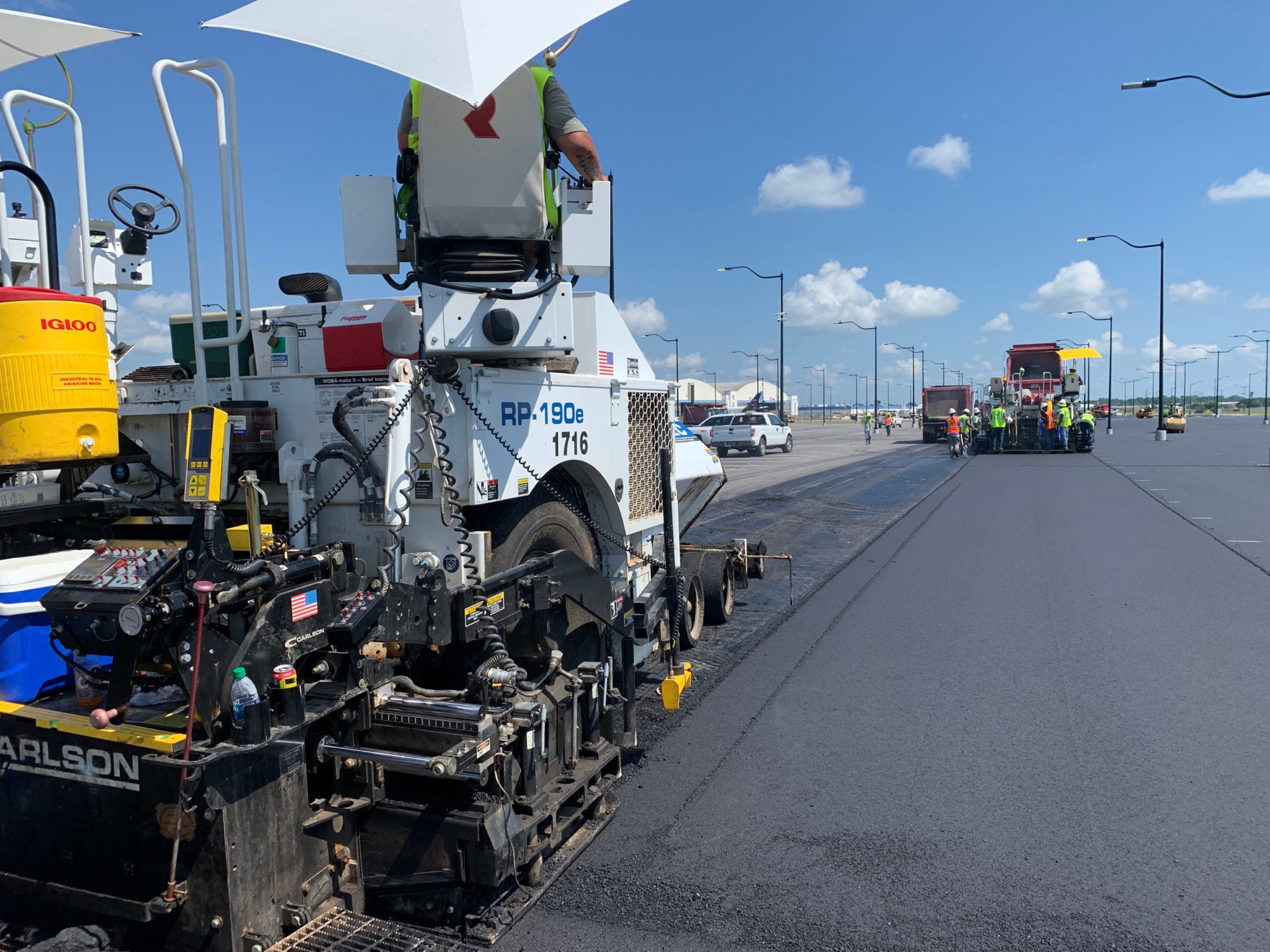
Solutions like MOBA Automation paving systems help crews maintain precise control over grade and slope, improving mat consistency and reducing the variability that can impact overall pavement performance.
With real-time feedback and automated adjustments, operators can focus less on constant manual correction and more on maintaining production and quality.
For contractors, that can mean:
- Better smoothness results
- Fewer callbacks
- Reduced labor strain
- Less material waste
- Stronger long-term pavement performance
In a competitive market where ride-quality bonuses, efficiency, and reputation matter, getting the setup and control process right is increasingly important.
The Difference Between Finishing and Finishing Well
Anyone can place asphalt. The crews that stand out are the ones that consistently deliver smooth, properly drained, long-lasting surfaces without excessive rework.
That level of performance starts with controlling the fundamentals from the very beginning of the job.
What challenges do you think most impact paving quality?